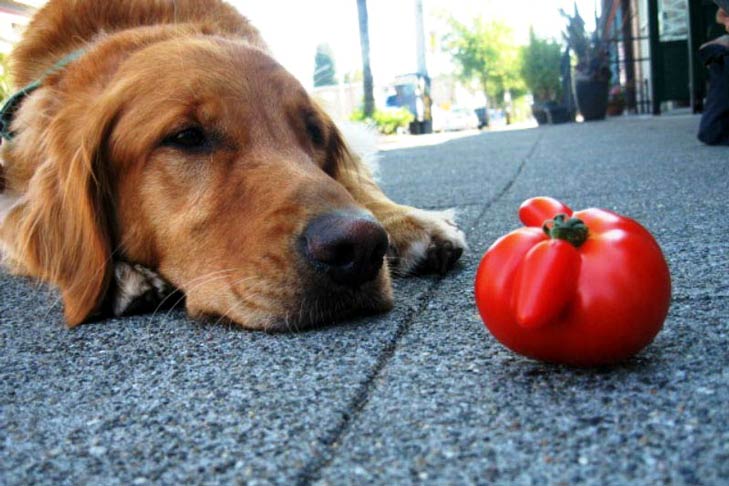
Can Your Canine Companion Enjoy Tomatoes? The Definitive Answer
The question of whether our beloved dogs can safely enjoy human foods is a common one, and tomatoes are no exception. Often found in gardens and kitchens, the humble tomato might seem like an innocent treat for your furry friend. The direct translation of the common query,
Saako Koira Syödä Tomaattia, or "Can a Dog Eat a Tomato?", reveals a widespread curiosity among pet owners. The short answer is yes, with some very important caveats. While ripe tomatoes can offer some surprising health benefits in moderation, certain parts of the plant and unripe fruit pose significant risks due to toxic compounds. Understanding these nuances is crucial for any responsible pet parent considering sharing this popular fruit (botanically a fruit, culinarily a vegetable) with their dog.
The Verdict: Ripe is Right, Green is a Gamble
Tomatoes belong to the nightshade family (Solanaceae), alongside potatoes and eggplants. This family of plants is known for containing various natural compounds called glycoalkaloids, which act as natural pesticides to ward off insects, fungi, and bacteria. In tomatoes, the primary glycoalkaloids of concern are tomatine and solanine. These compounds, particularly in high concentrations, can be harmful or even toxic to dogs and other animals if ingested in large quantities.
However, here's where the distinction becomes vital: as a tomato ripens from green to red, the concentration of tomatine significantly decreases. This is why
ripe, red tomatoes are generally considered safe for dogs in small amounts, whereas the green parts of the plant (stems, leaves, vines) and unripe green tomatoes retain high levels of tomatine and should be strictly avoided. These toxic green elements can cause what's known as tomatine poisoning. Therefore, if you're wondering, "Saako Koira Syödä Tomaattia?" the answer hinges on the ripeness and the specific part of the tomato in question.
Unlocking the Nutritional Perks of Ripe Tomatoes for Dogs
When offered safely and in moderation, ripe tomatoes can provide some valuable nutrients that contribute to a dog's overall health. These benefits stem from a surprisingly rich nutritional profile:
- Vitamins A and C: Tomatoes are a good source of both. Vitamin A is crucial for maintaining healthy vision, supporting immune function, and promoting skin health. Vitamin C is a powerful antioxidant that bolsters the immune system, aids in collagen production for healthy skin and coat, and helps fight free radical damage. While dogs produce their own Vitamin C, an extra boost from natural sources can still be beneficial.
- Fiber: The dietary fiber in tomatoes can significantly aid in digestion. It helps regulate bowel movements, preventing both constipation and diarrhea by promoting a healthy gut microbiome. A well-functioning digestive system is key to nutrient absorption and overall wellness.
- Lycopene: This potent antioxidant is responsible for the red color of ripe tomatoes. Lycopene is extensively studied for its potential benefits in protecting cells from damage, reducing the risk of certain cancers, and supporting cardiovascular health. For dogs, this means an extra layer of protection against cellular aging and disease.
- Low in Calories: For dogs prone to weight gain or those on a calorie-restricted diet, small pieces of ripe tomato can be a refreshing, low-calorie treat alternative to high-fat or sugary options.
These nutritional advantages make ripe tomatoes a beneficial addition to a dog's diet when introduced thoughtfully. However, it's essential to remember that these benefits are maximized when tomatoes are given as a supplement to a balanced, complete canine diet, not as a primary food source.
Navigating the Risks: What to Avoid When Sharing Tomatoes
While ripe tomatoes offer benefits, the dangers associated with the wrong parts or preparations of tomatoes cannot be overstated. Understanding these risks is paramount for your dog's safety.
The Toxic Parts of the Tomato Plant
The primary danger lies in the unripe, green parts of the tomato plant and fruit.
Ripe vs. Unripe: When Tomatoes Are Safe for Your Dog highlights this distinction crucial for safety. The stems, leaves, vines, and especially *unripe green tomatoes* contain high concentrations of tomatine. Ingestion of these parts can lead to:
- Gastrointestinal Upset: Vomiting, diarrhea, abdominal pain.
- Neurological Symptoms: Lethargy, weakness, confusion, loss of coordination, tremors.
- Cardiac Issues: In severe cases, slowed heart rate.
Symptoms can range from mild to severe, depending on the amount ingested and the dog's size and sensitivity. If you suspect your dog has eaten any green parts of a tomato plant or unripe tomatoes, contact your veterinarian immediately.
The Problem with Processed Tomato Products
It's not just the plant itself that poses risks. Many processed tomato products intended for human consumption are highly unsuitable for dogs. These include:
- Ketchup, Tomato Sauce, and Pasta Sauces: These often contain high levels of sodium, sugar, and artificial additives that are unhealthy for dogs. Many also include ingredients like onions and garlic, which are toxic to dogs.
- Canned Tomatoes: While some low-sodium canned tomatoes might seem okay, they often contain added salt, preservatives, or other ingredients not ideal for canine consumption. Fresh is always best.
- Sun-Dried Tomatoes: These are usually very high in sodium and may contain added herbs and spices that could be harmful.
Always opt for fresh, plain, ripe tomatoes when considering sharing with your dog.
How to Safely Share Tomatoes with Your Dog
If you've decided that your dog could benefit from a small, occasional tomato treat, here's how to do it safely and responsibly:
Dogs and Tomatoes: Benefits, Risks, and Safe Feeding Tips offers more detailed guidance on this.
- Choose Perfectly Ripe, Red Tomatoes: Select only fully ripened tomatoes. Avoid any with green patches or those that are still hard.
- Wash Thoroughly: Rinse the tomato well under running water to remove any pesticides or dirt.
- Remove ALL Green Parts: Carefully cut away and discard the stem, leaves, and any green areas. Even the tiny green core near the stem should be removed.
- Cut into Small Pieces: Dice the ripe tomato into small, bite-sized pieces appropriate for your dog's size to prevent choking.
- Serve in Moderation: Start with a very small amount—perhaps a quarter of a cherry tomato for a small dog, or a small slice for a larger dog. Think of it as a treat, not a meal.
- Observe Your Dog: After introducing tomatoes, monitor your dog for any signs of adverse reactions, such as digestive upset (vomiting, diarrhea), lethargy, or changes in behavior. If you notice any unusual symptoms, discontinue feeding tomatoes and contact your vet.
- Avoid Additives: Never add salt, pepper, oils, or any other seasonings to the tomato you offer your dog.
When to Consult Your Vet
It's always a good idea to consult your veterinarian before introducing any new food into your dog's diet, especially if your dog has existing health conditions, a sensitive stomach, or known allergies. If you suspect your dog has ingested a large amount of green tomato plant material or shows symptoms of tomatine poisoning, seek immediate veterinary attention.
Conclusion
In conclusion, the answer to "Can dogs eat tomatoes?" (
Saako Koira Syödä Tomaattia) is a conditional yes. Ripe, red tomatoes, free from all green parts, can be a healthy, low-calorie treat for dogs in small, controlled amounts. They offer beneficial vitamins, fiber, and powerful antioxidants like lycopene. However, the critical caveat lies in avoiding unripe green tomatoes and any part of the tomato plant (stems, leaves, vines), which contain toxic levels of tomatine. Always prioritize your dog's safety by preparing tomatoes correctly, offering them in moderation, and monitoring for any adverse reactions. When in doubt, a quick chat with your veterinarian can provide peace of mind and ensure your furry friend enjoys a varied and safe diet.