Dogs and Tomatoes: The Complete Guide to Benefits, Risks, and Safe Feeding Tips
As a loving pet parent, you're constantly seeking ways to enrich your dog's diet and provide them with healthy treats. Given how prevalent tomatoes are in our own kitchens, it's only natural to wonder:
saako koira syödä tomaattia? Or, in plain English, "Can a dog eat a tomato?" The answer, like with many human foods, isn't a simple yes or no. While ripe tomatoes can offer certain nutritional benefits in moderation, there are crucial risks associated with specific parts of the plant and unripe fruit that every dog owner must understand. This comprehensive guide will delve into the potential advantages, the vital precautions, and the safest ways to share this versatile fruit with your four-legged friend.
The Nutritional Upside: Why Ripe Tomatoes Can Be Good for Your Dog
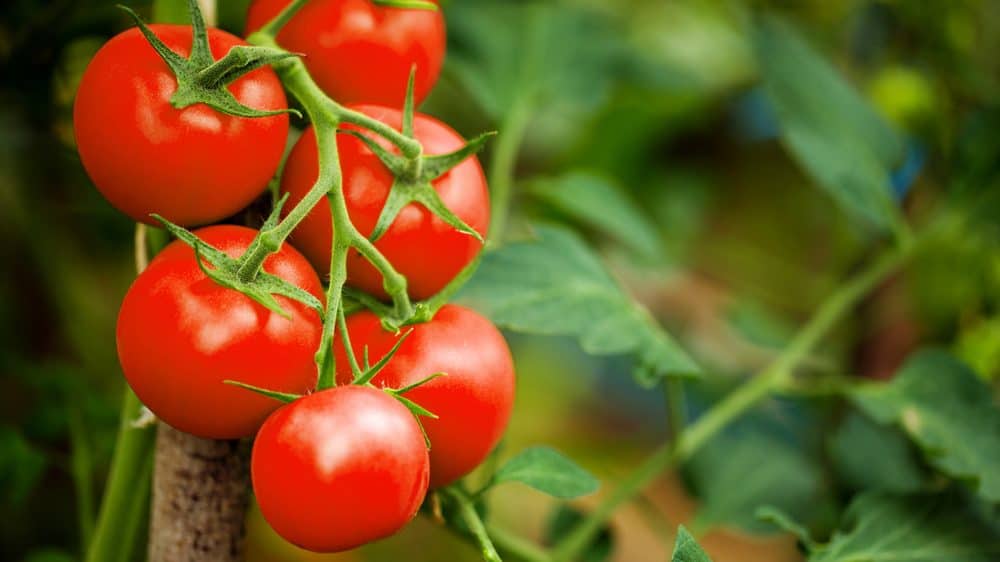
When prepared correctly and given in appropriate amounts, ripe tomatoes can contribute a handful of beneficial nutrients to your dog's diet. They are low in calories and packed with elements that support overall health.
Here’s a closer look at what ripe tomatoes bring to the table:
*
Vitamins A and C:
* **Vitamin A** is vital for maintaining good vision, supporting immune function, and promoting healthy skin and coat.
* **Vitamin C** acts as a powerful antioxidant, bolstering your dog's immune system, reducing inflammation, and aiding in collagen production for healthy skin, joints, and connective tissues.
*
Fiber: Tomatoes are a good source of dietary fiber, which is crucial for a healthy digestive system. Fiber helps regulate bowel movements, preventing both constipation and diarrhea, and contributes to a feeling of fullness, which can be beneficial for weight management.
*
Lycopene: This potent antioxidant is responsible for the red color of ripe tomatoes. Lycopene has been extensively studied for its potential health benefits, including supporting cardiovascular health and providing cellular protection against damage from free radicals. For dogs, this means an added layer of defense against cellular aging and disease.
*
Hydration: Given their high water content, ripe tomatoes can also contribute to your dog's hydration, especially during warmer months.
These benefits, however, only apply to thoroughly ripe tomatoes and when offered as an occasional treat, not a staple of their diet. The emphasis here is always on moderation.
Understanding the Risks: The Solanine and Tomatine Story
While the bright red flesh of a ripe tomato can be beneficial, it's essential to understand the potential dangers associated with other parts of the plant. Tomatoes belong to the *Solanaceae* family, also known as nightshades, a group that includes potatoes, eggplant, and bell peppers. Many plants in this family contain naturally occurring compounds called glycoalkaloids, which serve as a natural defense mechanism against pests and diseases.
Specifically, tomatoes contain two primary glycoalkaloids:
solanine and
tomatine.
* **Where are they found?** These compounds are concentrated in the green parts of the tomato plant, including the leaves, stems, and vines, as well as in unripe (green) tomatoes. As tomatoes ripen, the levels of tomatine decrease significantly, making the red fruit much safer for consumption.
* **Why are they harmful?** In large quantities, solanine and tomatine can be toxic to dogs (and other animals). These compounds can irritate the gastrointestinal tract and affect the nervous system.
* **Symptoms of Toxicity:** If a dog ingests a significant amount of green tomato plant material or unripe tomatoes, they may exhibit symptoms such as:
* Gastrointestinal upset (vomiting, diarrhea, abdominal pain)
* Lethargy and weakness
* Loss of coordination
* Tremors
* Dilated pupils
* Slow heart rate
* In severe cases, difficulty breathing or even collapse
It is paramount to keep your dog away from tomato plants in your garden and to only offer them fully ripe, red tomatoes. For a more detailed breakdown of this crucial distinction, consider reading our article on
Ripe vs. Unripe: When Tomatoes Are Safe for Your Dog. If you suspect your dog has eaten any green parts of a tomato plant or unripe tomatoes, contact your veterinarian immediately.
Safe Feeding Practices: How to Share Tomatoes with Your Canine Friend
Given the potential benefits and risks, precise preparation and responsible feeding are key when it comes to sharing tomatoes with your dog.
Here are essential safe feeding tips:
- Always Choose Ripe, Red Tomatoes: This is the most critical rule. Ensure the tomato is fully mature and vibrantly red, as this significantly reduces the tomatine content.
- Remove ALL Green Parts: Before offering any tomato, meticulously remove the stem, leaves, vines, and any green, hard parts near the stem end. These contain the highest concentrations of toxic glycoalkaloids.
- Wash Thoroughly: Always wash tomatoes under running water to remove any pesticides, dirt, or bacteria.
- Serve in Small, Manageable Pieces: Cut the ripe tomato into small, bite-sized pieces to prevent choking, especially for smaller dogs.
- Start Small and Monitor: Introduce tomatoes slowly. Offer just a tiny piece initially and observe your dog for any adverse reactions over the next 24-48 hours. Look for signs of digestive upset like diarrhea, vomiting, or changes in behavior. If any symptoms appear, discontinue feeding tomatoes and consult your vet.
- Moderation is Key: Think of tomatoes as an occasional treat, not a dietary staple. A few small pieces once or twice a week are generally sufficient for an average-sized dog. Larger quantities can still cause digestive upset, even with ripe tomatoes.
- Avoid Processed Tomato Products: This includes canned tomatoes, tomato sauce, paste, soup, and especially ketchup. These products often contain high levels of sodium, sugar, artificial sweeteners, and other ingredients like onion or garlic, which are toxic to dogs. Stick to fresh, plain tomato.
- Consider Homemade Treats: If you enjoy making homemade dog treats, ripe tomato puree (without any added seasonings) can be a healthy ingredient in small amounts, perhaps blended with other dog-safe vegetables.
For more detailed guidance on safe preparation methods and alternative safe veggies, check out our article
Can Dogs Eat Tomatoes? The Safe Way to Share This Veggie.
What to Avoid: Common Tomato-Based Products and Their Dangers
While fresh, ripe tomatoes can be a conditional treat, virtually all processed tomato products are off-limits for dogs. Understanding why is crucial for your pet's safety:
*
Tomato Sauce, Paste, and Puree: These often contain a plethora of ingredients harmful to dogs, including excessive salt, sugar, onion powder, garlic powder, and various spices. Onions and garlic, even in powdered form, are particularly toxic to dogs, potentially causing red blood cell damage.
*
Ketchup: This condiment is notoriously high in sugar, salt, and artificial ingredients. Many brands also contain high-fructose corn syrup and preservatives that offer no nutritional value and can lead to weight gain or digestive issues.
*
Canned Tomatoes: While some canned tomatoes might seem plain, they are almost always packed in brine with high sodium content, which can be dangerous for dogs, especially those with heart conditions.
*
Sun-Dried Tomatoes: These are typically preserved with high amounts of salt and sometimes oils or herbs that aren't suitable for canine consumption.
*
Tomato Juice: Similar to sauces, commercial tomato juice often contains high sodium levels and other additives.
Always default to fresh, whole, ripe tomatoes when considering giving your dog this fruit. If you wouldn't eat it plain, it's certainly not suitable for your canine companion.
Conclusion: The Verdict on Dogs and Tomatoes
So, *saako koira syödä tomaattia*? The definitive answer is: yes, but with significant caveats. Ripe, red tomatoes, given in small, infrequent amounts and meticulously prepared, can offer some nutritional benefits to your dog. However, the green parts of the plant and any unripe fruit contain toxic compounds (solanine and tomatine) that can cause serious illness.
Always prioritize your dog's safety by:
* Only feeding *ripe* tomatoes.
* Removing *all* stems, leaves, and green parts.
* Offering tomatoes in *moderation* as an occasional treat.
* *Avoiding* all processed tomato products.
* *Monitoring* your dog for any adverse reactions.
When in doubt, it's always best to consult your veterinarian before introducing any new food to your dog's diet, especially if your pet has existing health conditions or a sensitive stomach. By following these guidelines, you can ensure that if you choose to share a taste of tomato, it's a safe and enjoyable experience for your beloved furry family member.