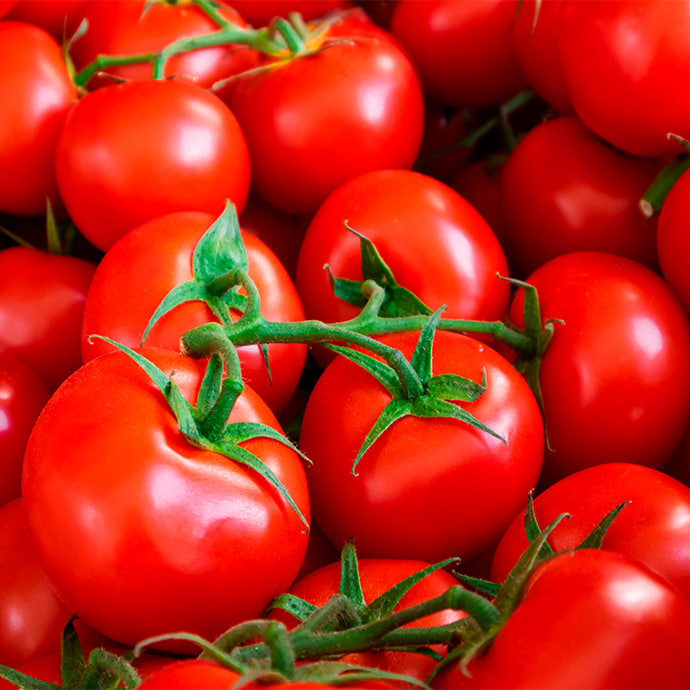
Ripe vs. Unripe: When Tomatoes Are Safe for Your Dog
The question of whether our canine companions can enjoy the same fresh foods we do is a common one for pet parents. Among the most frequently pondered vegetables is the versatile tomato. You might find yourself wondering, "Saako koira syödä tomaattia?" or "Can my dog eat tomatoes?" The answer, as with many human foods for dogs, isn't a simple yes or no. It largely depends on the tomato's ripeness and how it's prepared. While ripe tomatoes can offer some surprising health benefits in moderation, their unripe counterparts and the plant itself pose significant risks.
Understanding the distinction between safe and unsafe tomato consumption is crucial for your dog's well-being. This comprehensive guide will delve into the nutritional aspects of tomatoes for dogs, highlight the dangers of unripe fruit and plant parts, and provide clear guidelines for safe feeding.
The Green Light for Ripe Tomatoes: Understanding the Benefits
When properly prepared and given in moderation, ripe tomatoes can be a healthy, low-calorie treat for many dogs. The key here is ripeness, as the maturation process significantly reduces the concentration of potentially harmful compounds. So, what makes a ripe tomato a beneficial addition to your dog's diet?
- Rich in Vitamins: Ripe tomatoes are a good source of several essential vitamins. They contain Vitamin A, which is crucial for vision and eye health, and Vitamin C, a powerful antioxidant that supports the immune system and promotes healthy skin and coat.
- Dietary Fiber: Like many fruits and vegetables, tomatoes provide dietary fiber. Fiber aids in digestion, helps maintain a healthy gut, and can assist in regulating bowel movements, preventing both constipation and diarrhea when given appropriately.
- Lycopene: The Antioxidant Powerhouse: Perhaps one of the most celebrated compounds in tomatoes is lycopene. This potent antioxidant is responsible for the tomato's vibrant red color and is believed to play a role in protecting cells from damage caused by free radicals. Research in humans suggests lycopene may contribute to heart health and offer anti-cancer properties, though more specific studies are needed for canine applications.
- Low in Calories: For dogs prone to weight gain or those on a calorie-restricted diet, small pieces of ripe tomato can serve as a hydrating, flavorful snack without adding excessive calories.
These nutritional benefits mean that a small amount of ripe, red tomato can contribute positively to your dog's overall health, acting as an occasional supplement rather than a dietary staple. For more detailed information on balancing the good with the bad, you might find this article helpful: Dogs and Tomatoes: Benefits, Risks, and Safe Feeding Tips.
The Red Flag: Why Unripe Tomatoes and Green Parts are Dangerous
While ripe tomatoes get a cautious green light, unripe tomatoes and all green parts of the tomato plant (stems, leaves, vines, flowers) are a definite red flag. The crucial difference lies in the presence of a natural compound called tomatiini (tomatine) and, to a lesser extent, solanine. Both are glycoalkaloids, a type of natural pesticide that plants in the Solanaceae family (which includes tomatoes, potatoes, and eggplants) produce to deter pests.
- Tomatine and Solanine Toxicity: In high concentrations, tomatiini and solanine can be toxic to dogs. These compounds interfere with a dog's nervous system and digestive tract. As tomatoes ripen, the levels of tomatiini significantly decrease, making the red fruit much safer. However, unripe (green) tomatoes, and especially the foliage, retain high concentrations of these potentially harmful substances.
- Symptoms of Tomatine Poisoning: If a dog ingests a significant amount of unripe tomatoes or tomato plant material, they may exhibit symptoms such as:
- Gastrointestinal upset (vomiting, diarrhea, abdominal pain)
- Lethargy or weakness
- Excessive drooling
- Loss of coordination or tremors
- Dilated pupils
- In severe cases, a slow heart rate or difficulty breathing
- The Whole Plant is a Hazard: It's not just the green fruit; the leaves, stems, and even the roots of a tomato plant are toxic. If you grow tomatoes in your garden, ensure your dog doesn't have access to them, especially if they're a known nibbler.
This clear distinction between ripe fruit and the rest of the plant is the most critical takeaway for any dog owner considering "Saako koira syödä tomaattia?" The answer hinges on this fundamental difference.
Safe Serving: How to Offer Tomatoes to Your Canine Companion
If you've decided to share a tiny taste of ripe tomato with your dog, doing so safely is paramount. Here's how to ensure you're providing a healthy treat and not a hidden hazard:
- Choose Only Ripe, Red Tomatoes: This cannot be stressed enough. Select firm, fully red tomatoes. Avoid any with green patches, and certainly never offer unripe green tomatoes.
- Wash Thoroughly: Always wash tomatoes thoroughly under running water to remove any dirt, pesticides, or surface contaminants.
- Remove ALL Green Parts: Before cutting, meticulously remove the stem, leaves, and any remaining green parts. These are the most dangerous components.
- Cut into Small, Manageable Pieces: Dice the tomato into small, bite-sized pieces appropriate for your dog's size. This prevents choking hazards and aids digestion.
- Introduce Gradually and in Moderation: Start with a very small amount, perhaps a single tiny piece, and monitor your dog's reaction. Some dogs may have sensitive stomachs or be allergic to tomatoes.
- Portion Control is Key: Tomatoes should always be an occasional treat, not a regular meal component. For small dogs, a cherry tomato or two, or a couple of small dice from a larger tomato, is sufficient. Larger dogs might handle a few slices. Always err on the side of caution with portion sizes.
What to Avoid: Processed Tomato Products
Beyond unripe tomatoes, many human-grade tomato products are unsuitable for dogs due to added ingredients:
- Canned Tomatoes: Often contain high levels of sodium, which is harmful to dogs. If you must use canned tomatoes, opt for unsalted, plain varieties and rinse them thoroughly.
- Tomato Sauces, Pastes, and Ketchup: These are almost always laden with sugar, salt, artificial sweeteners (like xylitol, which is highly toxic to dogs), onions, garlic, and other spices that are detrimental to canine health. Ketchup, in particular, should be completely avoided.
- Sun-Dried Tomatoes: While ripe, these are often very high in sodium and sometimes contain added oils or seasonings.
- Tomato Soups: Typically contain high sodium, cream, and other potentially harmful ingredients like onions and garlic.
Stick to fresh, plain, ripe tomatoes when considering this vegetable for your pet. For a comprehensive guide on safe practices, check out this resource: Can Dogs Eat Tomatoes? The Safe Way to Share This Veggie.
When to Exercise Caution and Consult Your Vet
Even with ripe tomatoes, certain situations warrant extra caution or a direct call to your veterinarian.
- Sensitive Stomachs: Dogs with sensitive digestive systems may react poorly to tomatoes, even ripe ones. The acidity can sometimes cause upset. If your dog experiences vomiting, diarrhea, or unusual gas after consuming a small amount, discontinue feeding tomatoes immediately.
- Allergies: Though uncommon, some dogs can be allergic to tomatoes. Watch for signs of an allergic reaction, such as itching, swelling, hives, or difficulty breathing.
- Underlying Health Conditions: If your dog has any pre-existing health conditions, especially kidney disease (due to the acidity of tomatoes) or has been on a specialized diet, always consult your veterinarian before introducing new foods.
- Accidental Ingestion of Unripe Parts: If you suspect your dog has consumed a significant amount of unripe tomatoes or parts of the tomato plant, monitor them closely for signs of tomatiini poisoning. It's always best to contact your vet or an emergency animal hospital for advice, even if symptoms haven't yet appeared. Early intervention can make a significant difference.
Conclusion
So, "Saako koira syödä tomaattia?" Yes, but with very specific conditions. Ripe, red tomatoes, free of any green parts and given in small, infrequent amounts, can be a safe and even beneficial snack for your dog. They offer a dose of vitamins, fiber, and powerful antioxidants like lycopene. However, the critical distinction lies with unripe tomatoes and the entire tomato plant, which contain toxic compounds like tomatiini and solanine that can be harmful. Always prioritize ripeness, preparation, and moderation. When in doubt, or if your dog has any adverse reactions, it's always best to consult your veterinarian. Their guidance ensures you're making the safest and healthiest choices for your beloved furry friend.